Daily Mobility Tip: Proper posture during desk work is the foundation of long-term joint health and reduced discomfort. Learn how to set up your workspace correctly in our latest guide.
Evidence-Based Physiotherapy Guidance for Daily Mobility
Discover how qualified specialists help you improve movement quality, strengthen your core, and maintain healthy posture through personalized therapeutic exercises and guided movement techniques.
- Comprehensive assessment of your individual movement patterns
- Safe, evidence-based exercises adapted to your needs
- Expert guidance on preventing movement-related discomfort

Your Daily Mobility Routine: 5 Essential Steps
A structured approach to improving movement quality and reducing tension throughout your day
Assess Your Posture
Begin with a brief evaluation of your current posture. Notice any areas of tension or asymmetry. This awareness is the first step toward positive change in movement quality.
Gentle Warm-Up Movement
Perform light, guided movements to prepare your joints and muscles. Slow walking, arm circles, and gentle neck rotations activate your body safely without strain.
Core Strengthening
Engage in targeted exercises that support your spine and improve muscle tone. A strong core foundation prevents compensation patterns and reduces discomfort during daily activities.
Flexibility & Stretching
Apply safe stretching techniques to improve range of motion and release muscle tension. Proper stretching addresses both active and passive flexibility through guided movements.
Cool Down & Reflect
Conclude with slower movements and breathing exercises. Reflection on how your body feels helps you track progress and understand your individual movement patterns.
The Impact of Structured Mobility Work
Evidence-based approaches deliver meaningful improvements in movement quality and daily comfort
Improved Range of Motion
Regular guided movement and stretching significantly enhance joint mobility and flexibility, enabling more natural daily activities without restriction.
Enhanced Prevention
Personalized exercises and proper biomechanics instruction help prevent movement-related discomfort and reduce strain on vulnerable joints and tissues.
Better Daily Function
Clients report enhanced balance, improved coordination, and greater confidence in their movement capacity during work, exercise, and leisure activities.
Frequently Asked Questions About Daily Mobility
Expert answers to help you understand movement, rehabilitation, and physical adaptation
Stretching refers to the action of lengthening muscles through guided movement, while flexibility is the overall range of motion available in your joints. In physiotherapy, we use both stretching techniques and flexibility exercises as part of a comprehensive approach. Stretching provides immediate relief of muscle tension, whereas flexibility training builds long-term improvement in your movement capacity. A qualified specialist designs both elements to work together safely and effectively.
Targeted Exercises by Body Area
Expert-recommended movement solutions for common mobility challenges
Neck & Shoulder Mobility
Reduce tension from desk work and improve flexibility through guided neck rotations, shoulder rolls, and stretching. Proper posture and gentle movement help maintain healthy joint function and prevent compensation patterns.
Learn ExercisesLower Back & Core Strengthening
Build a strong foundation through targeted core exercises that support your spine and improve posture. These therapeutic movements enhance balance, reduce discomfort, and enable confident movement during daily activities.
Learn ExercisesHip & Leg Flexibility
Improve range of motion in your hips and legs with evidence-based stretching and joint mobility exercises. Better hip function supports walking, climbing stairs, and all lower-body activities with greater ease and reduced strain.
Learn ExercisesWrist & Hand Mobility
Maintain healthy wrists and hands through gentle stretching and strengthening. Whether preventing repetitive strain or recovering from activity, these movements improve function and reduce tension in your forearms and fingers.
Learn ExercisesAnkle & Foot Stability
Develop strength and coordination in your ankles and feet to enhance balance and prevent discomfort. Guided movements improve proprioception and prepare your lower extremities for active living and sports adaptation.
Learn ExercisesFull Body Movement Patterns
Learn how all body areas work together through integrated exercises that improve coordination and movement efficiency. These whole-body movements enhance your nervous system's understanding of proper biomechanics and functional movement.
Learn ExercisesPatient Success Stories
Real experiences from people who improved their mobility through evidence-based movement guidance
"After years of desk work, I experienced constant neck and shoulder tension. The personalized exercises and posture guidance from the physiotherapy team completely changed how I move and feel during my workday. The evidence-based approach gives me confidence that I'm doing the right movements for my body."
— Margaret Powell, London
Office professional
"I was struggling with lower back discomfort and limited mobility. The personalized core strengthening program and movement guidance made such a difference. I now understand my body's mechanics better and feel confident performing daily activities. The expert assessment helped identify exactly what I needed."
David Morrison
Bristol
"After a sports injury, I needed rehabilitation that actually worked. The qualified specialists created an individual program that progressed safely and effectively. The guided movement techniques and stretching exercises gave me the confidence to return to activities I love. Highly recommend their evidence-based approach."
Sophie Chen
Manchester
"I wanted to prevent future mobility issues before they became a problem. The comprehensive assessment and personalized exercises provided exactly what I needed. I appreciate the scientific approach—every recommendation makes sense and delivers real results in my daily life."
James Richardson
Edinburgh
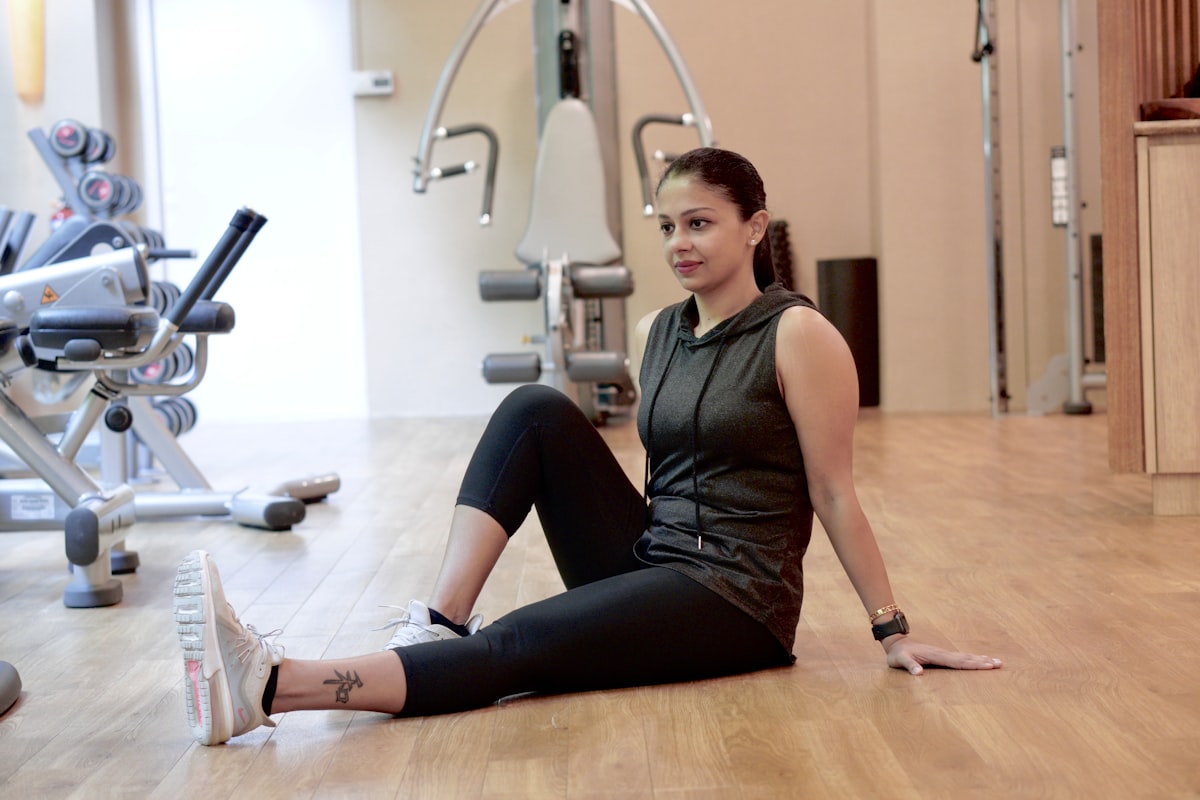
Optimize Your Workspace for Movement Health
Your desk environment directly impacts your movement quality and daily discomfort. Poor ergonomics force your body into compensation patterns that restrict flexibility, create muscle tension, and gradually limit mobility.
Monitor Height & Distance
Position your screen at eye level, about an arm's length away. This prevents excessive neck flexion and maintains healthy head posture throughout your workday.
Chair & Desk Height
Your elbows should be at 90 degrees, with your feet flat on the floor. A properly adjusted chair supports healthy spinal alignment and reduces lower back tension.
Movement Breaks
Stand and move every 30 to 60 minutes. Short movement breaks prevent muscle tension buildup and maintain joint mobility throughout your day.
Stay Updated with Expert Mobility Guidance
Subscribe to receive evidence-based tips, exercise guidance, and insights about safe movement and physical adaptation.
We respect your privacy. Unsubscribe anytime.
Ready to Improve Your Daily Mobility?
Our team of qualified specialists is here to guide you through a personalized approach to movement, rehabilitation, and physical adaptation. Learn how evidence-based physiotherapy can support your goals.
Based in London | [email protected]